Self-Harm
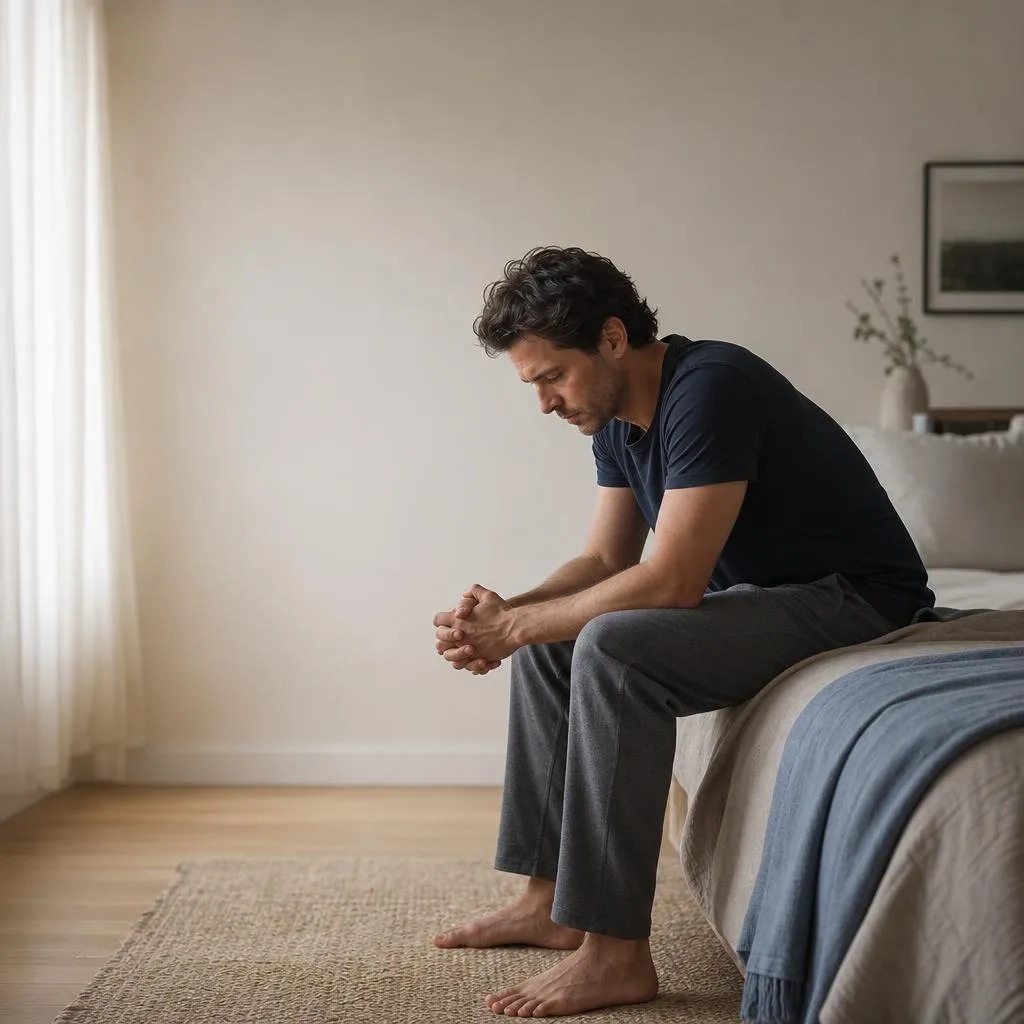
Self-harm: when distress feels too much to hold
You may feel intense pressure and look for a way to get through it. STAND DOWN addresses the fear and distress around that cycle.
Pressure and brief relief
For some people, self-harm follows a build-up of distress that feels hard to bear. It can be a way of seeking immediate relief, even though it can cause injury.
Relief may be brief. Guilt, shame or fear of someone finding out can then add to the pressure. STAND DOWN explains the role fear can play in this cycle.
Keeping it hidden
You may choose clothes or avoid activities to keep injuries private. Staying alert to what others might notice can take a lot of energy.
You may want support but fear being judged or misunderstood. That secrecy can feel lonely, even around people you trust.
Getting through the day
Distress can interrupt work or study. You may be trying to focus while also worrying that someone will notice.
Tiredness and secrecy can make ordinary tasks harder. You don't need to disclose your story to hear the programme's explanation.
What STAND DOWN offers
The ordered audio sessions teach STAND DOWN's explanation of fear and pressure. A science video and guided visualisations build on that teaching. CHUCK, your AI programme guide, can answer questions about the sessions.
You can listen privately without sharing your story. If you might hurt yourself now, seek immediate help from local emergency services or someone who can stay with you. STAND DOWN can't provide immediate crisis help.
Recognising the pattern
- Distress builds until you feel a strong need for relief.
- You work hard to hide what you're going through.
- Brief relief gives way to guilt or shame.
- You change clothes or activities so others won't notice.
Start understanding the distress cycle
If you're safe right now, you can follow the STAND DOWN audio programme privately. Begin the programme.
Begin Recovery Programme — Checking price… one-timeFurther reading
Read about other experiences of anxiety and fear.